Understanding the Latest Trends in Commercial Construction


The Rise of Sustainable Building Practices
In recent years, the commercial construction industry has seen a significant shift towards sustainability. With the growing awareness of environmental issues, there's an increasing demand for eco-friendly building practices. Developers are now focusing on reducing waste, conserving energy, and utilizing renewable resources. These practices not only benefit the environment but also result in cost savings in the long run.

One popular trend is the use of green building materials. These materials are sourced responsibly and often include recycled content. Additionally, technologies like solar panels and energy-efficient HVAC systems are becoming standard in new constructions, further promoting sustainability.
Technology Integration in Construction
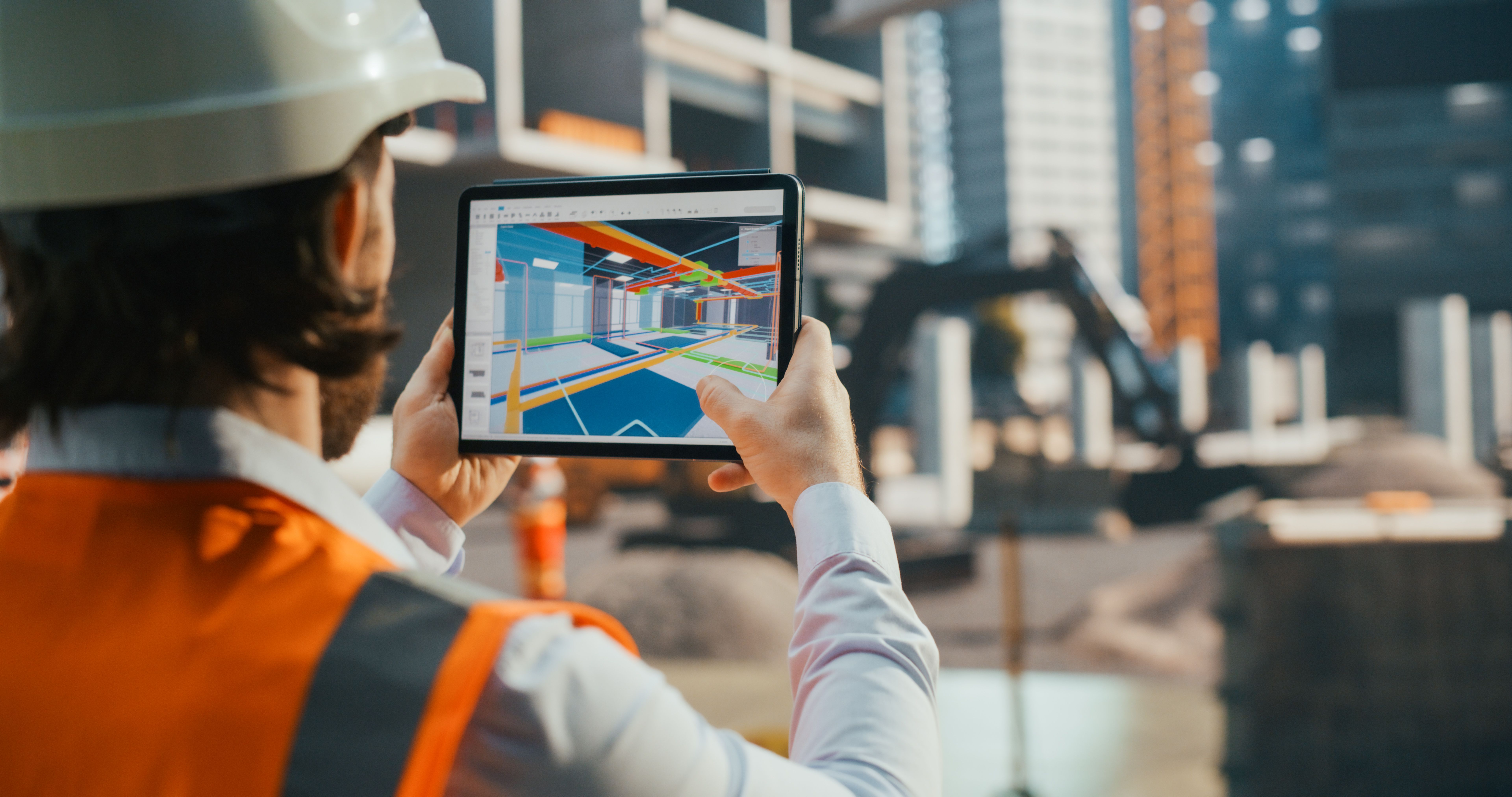
The integration of technology in commercial construction is transforming the industry. Building Information Modeling (BIM) is one such advancement that allows for precise planning and execution. BIM provides a digital representation of the physical and functional characteristics of a facility, streamlining communication and reducing errors.
Drones are also gaining popularity for site surveying and monitoring. They provide accurate aerial views, making it easier to manage large projects efficiently. Moreover, the use of virtual reality (VR) in construction projects helps stakeholders visualize the end product and make informed decisions early in the design phase.
Emphasis on Safety and Compliance
Safety has always been a priority in construction, but recent trends emphasize even stricter adherence to safety protocols. New technologies are being developed to enhance worker safety on construction sites. Wearable devices that monitor vital signs and location are being implemented to prevent accidents.
Compliance with local and federal regulations is also crucial. Builders are now more focused on maintaining transparency and ensuring that all projects meet the required standards. This focus not only protects workers but also enhances the reputation of construction firms.

Modular and Prefabricated Construction
The use of modular and prefabricated construction methods is on the rise. These methods involve constructing sections of a building off-site and then assembling them on-site. This approach significantly reduces construction time and costs while maintaining high quality.
Modular construction is particularly popular for commercial buildings like hotels and offices, where speed and efficiency are critical. The precision of factory-produced modules ensures consistency and minimizes waste, aligning with sustainability goals.
The Future of Commercial Construction
The commercial construction industry is rapidly evolving, driven by technological advancements and changing societal needs. As urbanization continues, there will be a growing demand for smarter, more resilient buildings.
Innovations such as smart building technology, which integrates IoT devices to optimize energy use and enhance comfort, are likely to become mainstream. Furthermore, collaboration between architects, engineers, and technologists will pave the way for more innovative solutions in the industry.