
Expert Insights: Future Trends in Residential Construction Services


Embracing Sustainability in Residential Construction
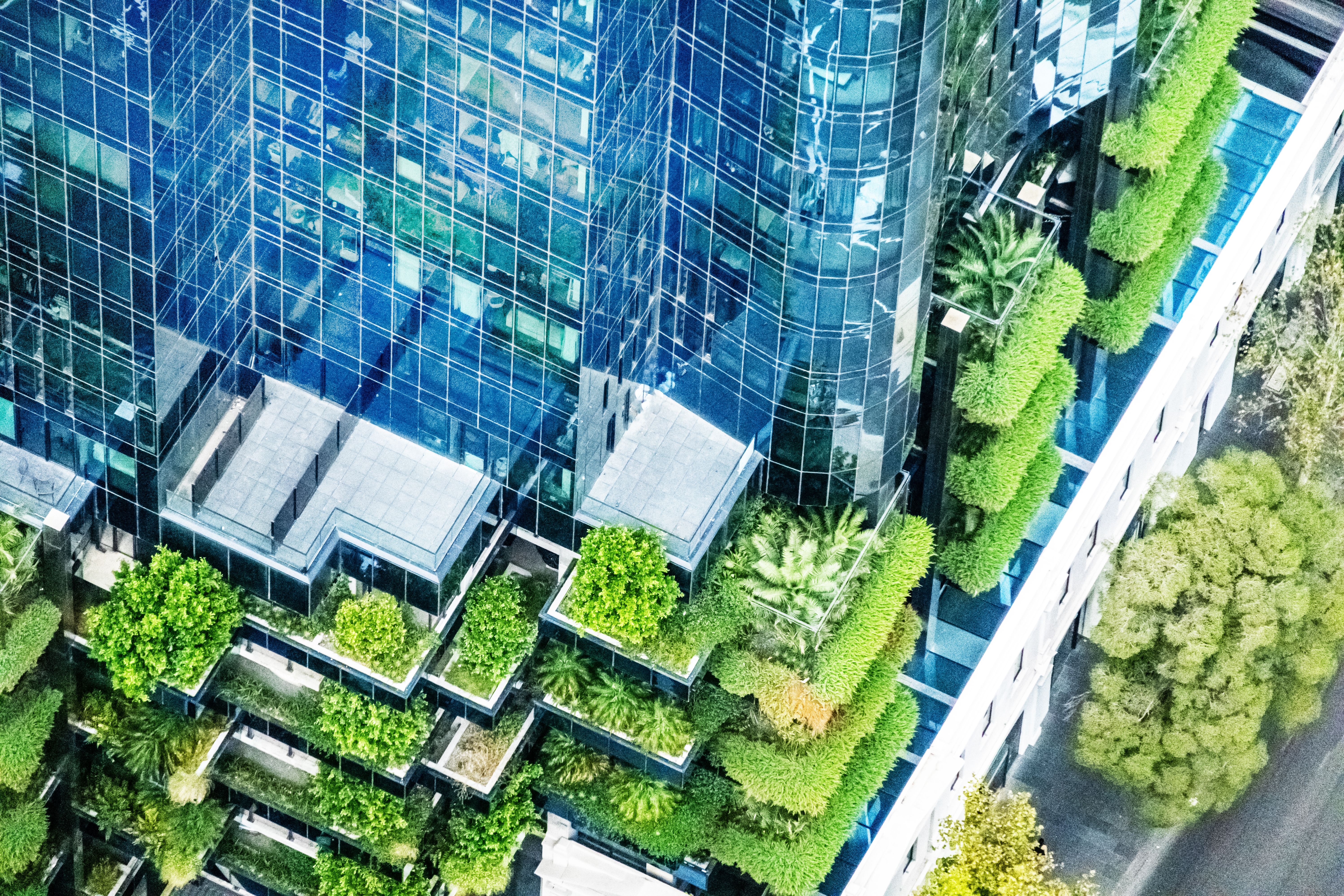
As the world continues to focus on environmental sustainability, the construction industry is following suit. The use of eco-friendly materials and energy-efficient designs is becoming more prevalent in residential construction. Homeowners are increasingly opting for sustainable solutions that reduce energy consumption and minimize environmental impact.
One significant trend is the integration of solar panels and green roofs, which not only lower energy costs but also contribute to a home's overall efficiency. Additionally, the use of recycled and sustainable materials is on the rise, providing a greener alternative to traditional building supplies.
Technological Advancements Shaping the Future
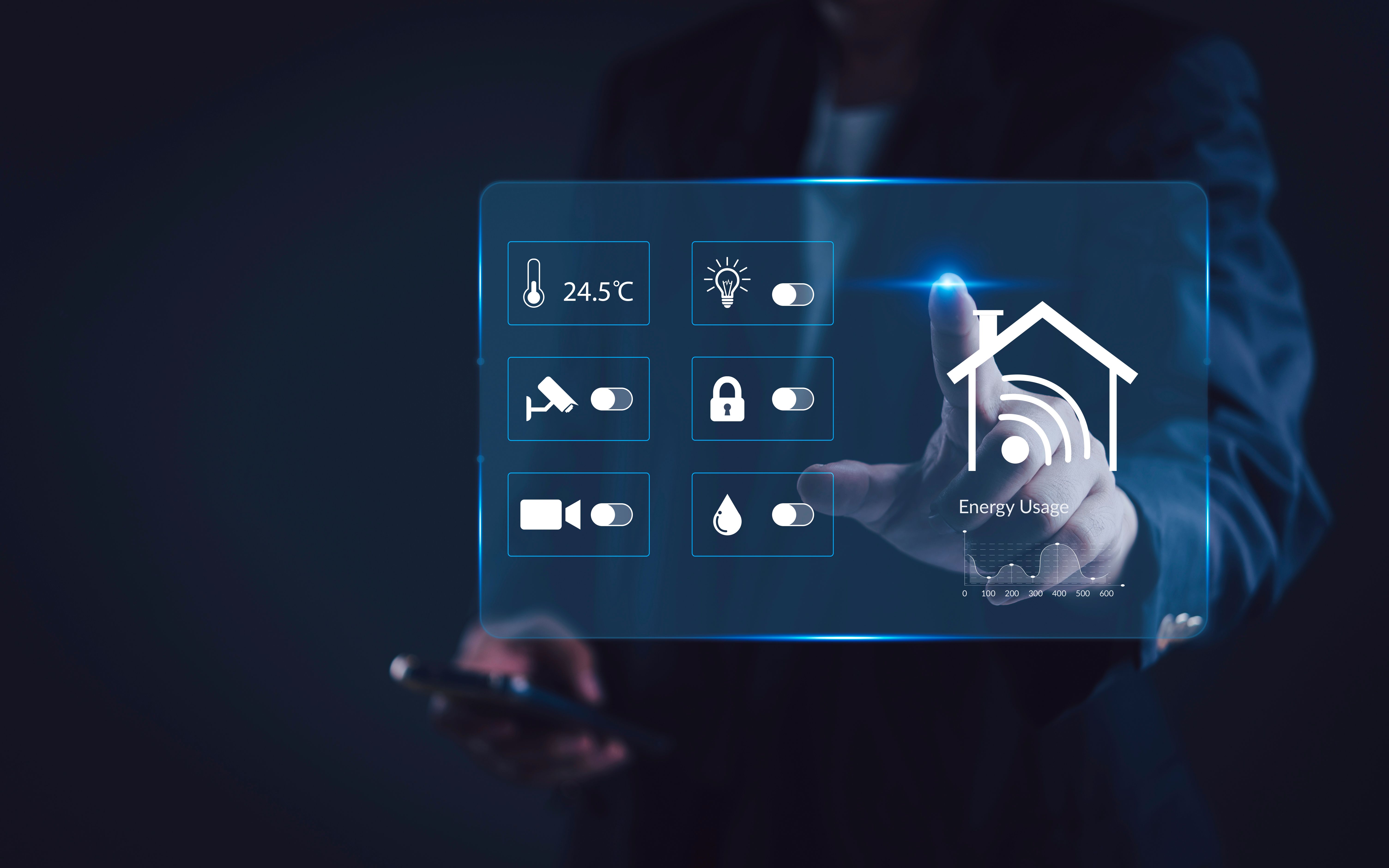
Technology continues to revolutionize residential construction, with innovations like 3D printing and smart home technology leading the charge. 3D printing allows for faster and more cost-effective construction processes, offering custom solutions that were previously unimaginable.
On the other hand, smart home technology is transforming how residents interact with their living spaces. From automated lighting systems to intelligent climate control, these technologies enhance convenience and energy efficiency, making homes more responsive to the needs of their occupants.
Rise of Modular and Prefabricated Homes
Modular and prefabricated homes are gaining popularity due to their affordability and reduced construction time. These homes are built off-site in controlled environments, ensuring high quality and precision. Once completed, they are transported and assembled on-site, reducing construction disruptions and delays.
This approach not only speeds up the building process but also reduces waste, making it a more sustainable option. As more homeowners prioritize both cost-effectiveness and sustainability, modular construction is expected to play a significant role in the industry's future.
Focus on Health and Wellness
The recent global health concerns have heightened the emphasis on wellness in residential construction. Homes are now being designed with health-focused features such as improved air quality systems, non-toxic building materials, and enhanced natural lighting.
Biophilic design, which incorporates natural elements into the home environment, is also gaining traction. This design philosophy is known to improve mental well-being and create a calming atmosphere, demonstrating a growing awareness of the impact of living environments on health.

Adapting to Changing Demographics
The residential construction industry is also adapting to demographic shifts. As urbanization continues, there is a growing demand for multi-family housing units that can accommodate diverse family structures and lifestyles. These developments often include communal spaces and amenities designed to foster community connections.
Moreover, as the population ages, there is an increasing need for homes that support aging-in-place. Universal design principles are being integrated to create accessible and adaptable living spaces that cater to all ages and abilities.
Conclusion: A Forward-Thinking Industry
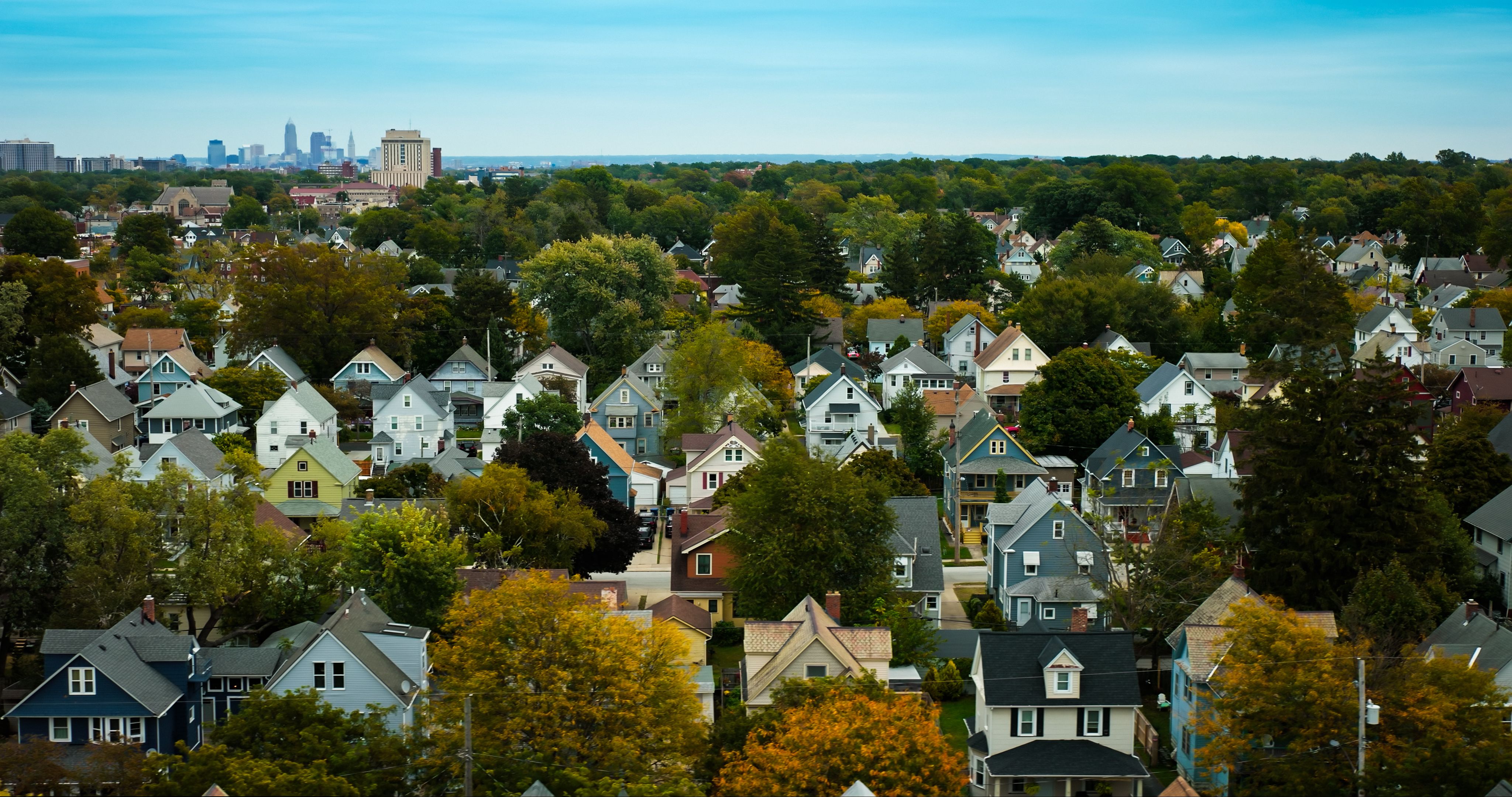
The residential construction industry is evolving rapidly, driven by technological advancements, sustainability, and changing societal needs. As these trends continue to develop, they promise to reshape the way we build and live in our homes, creating spaces that are not only innovative but also more aligned with the values and lifestyles of future generations.
The future of residential construction looks promising, with a strong focus on creating homes that are sustainable, technologically advanced, and attuned to the well-being of their occupants.